

Freshwater
Ceredigion has some of the most stunning freshwater sites in Wales. The freshwater ecosystem is made of rocks, soil, sunlight, plants, animals and microbes which share resources between different habitats.
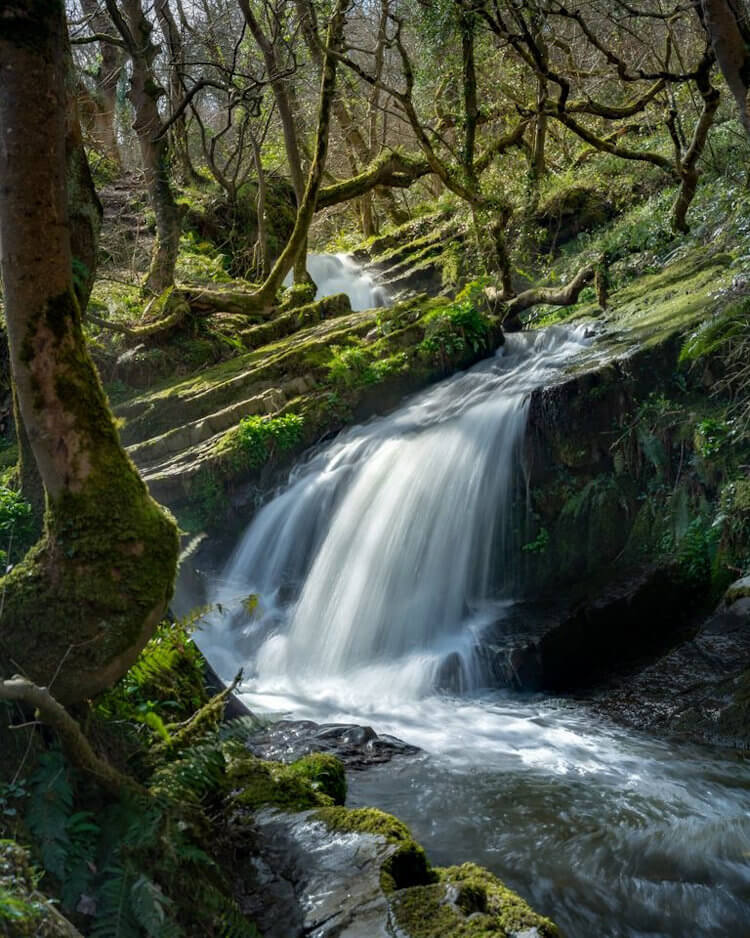
Owing to its location and geology, Ceredigion is home to many rivers and lakes. Significant rivers include the Teifi, Aeron, Ystwyth, and Rheidol, as well as the southern shore of the Dyfi Estuary. Each river has its own wildlife of interest.
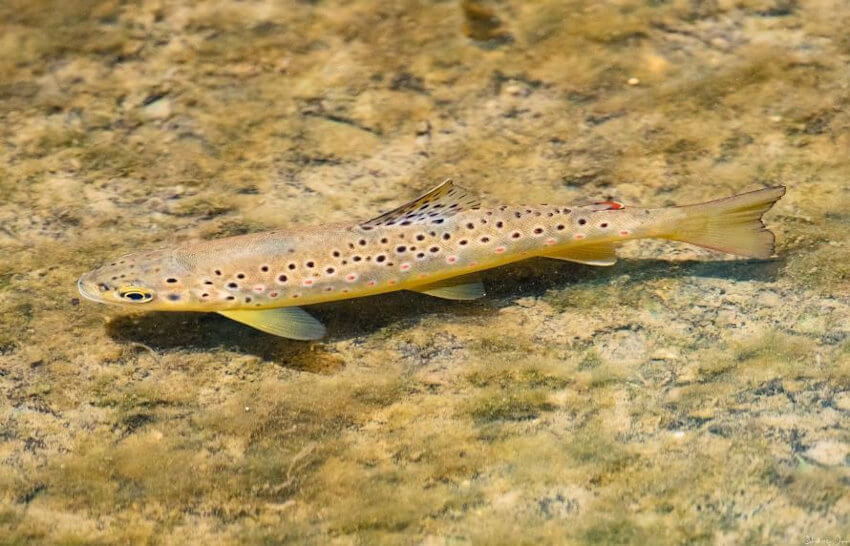
The impacts of water pollution from agriculture, development, and the legacy of mining in the upper catchments have had significant impacts on these riverine ecosystems.
In addition to rivers, there are some sixty lakes and reservoirs within Ceredigion, including some nationally significant ‘mesotrophic lake’, such as Llyn Fanod near Penuwch, whose fine balance of nutrients makes them sensitive to environmental change.
Insert document here
Ponds have been added to the UK Biodiversity Action Plan and substantial area of Ceredigion has also been identified as a potential Priority Area for Ponds. Further information can be found in the Pond Conservation A preliminary assessment of Important Areas for Ponds (IAPs) in Wales document.
Llyn Eiddwen, Llyn Fanod, and the Teifi Pools have notable freshwater flora, such as Floating Water Plantain. The Teifi is a SAC river.
Ceredigion Rivers
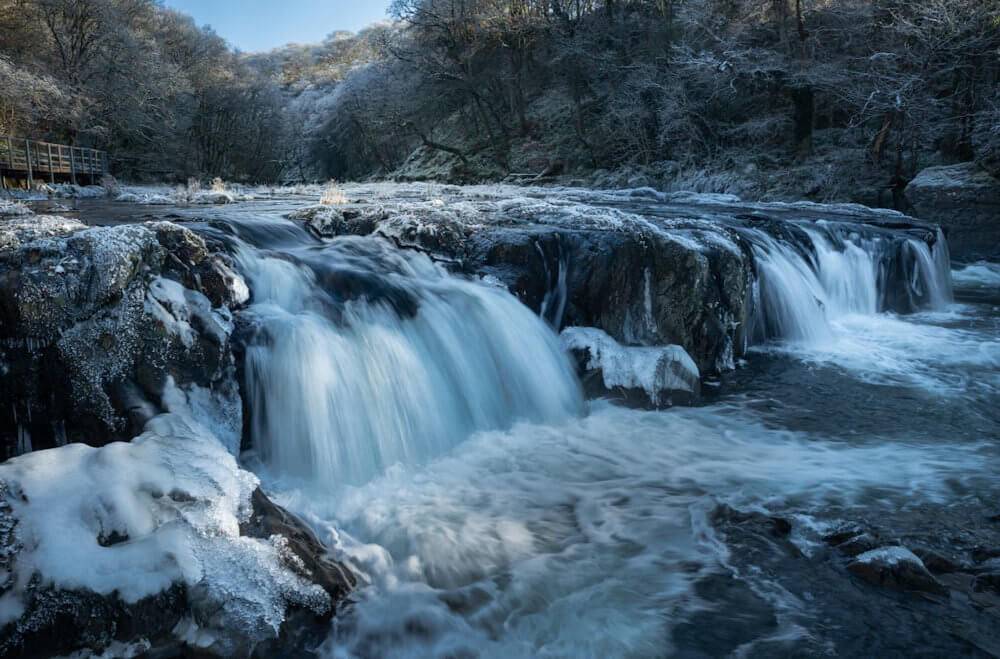
There are areas of river shingle in the county that have been designated for their invertebrates:
Rheidol Shingles and Backwaters SSSI has three special features:
- Community of insects and other invertebrates inhabiting the river shingle banks
- The Rove beetle Thinobius newberyi
- The Diving beetle Bidessus minutissimus
Afon Rheidol ger Capel Bangor SSSI
There is a large assemblage of invertebrates associated with the unstable river shingle. The rarest of these, known as Red Data Book species, include the diving beetle Bidessus minutissimus and the five-spot ladybird, and at least 6 nationally scarce beetles and spiders are also associated with the unstable gravels.
Gro Ty’n yr Helyg SSSI has two special features:
- Community of insects and other invertebrates
- The Rove beetle Thinobius newberyi
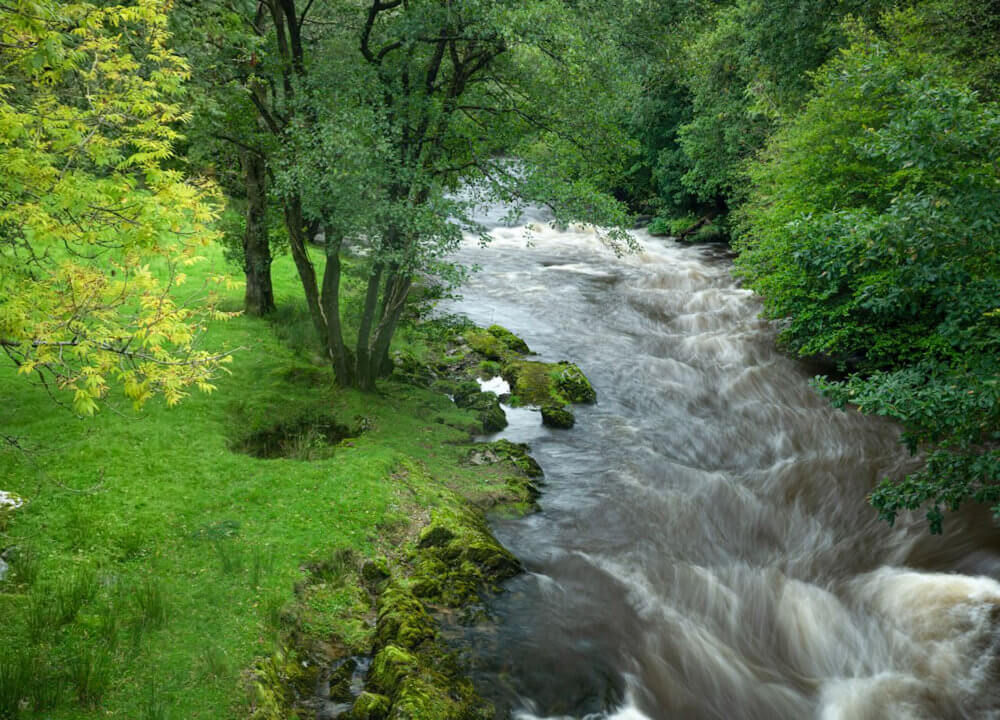
What is a watercourse?
Watercourses can be rivers, streams, ditches, drains, cuts, culverts, dikes, and sluices.
If you own land which is adjacent to a watercourse or land which has a watercourse running through or underneath it, you are a 'Riparian Owner'.
Please read the guidance below to learn how to manage this area for the benefit of nature and yourself.
- Watercourse Maintenance
- Natural Resources Wales Responsibility for rivers, streams, culverts, and canals
- Welsh Government Written Statement: Riparian Ownership: Maintaining Watercourses
If you wish to undertake work on near a watercourse then you will need to discuss this with Ceredigion County Council before undertaking any work to see whether you need an Ordinary Watercourse Consent. For further information please see our Ordinary Watercourse Consent page.
Nutrient Management Plan
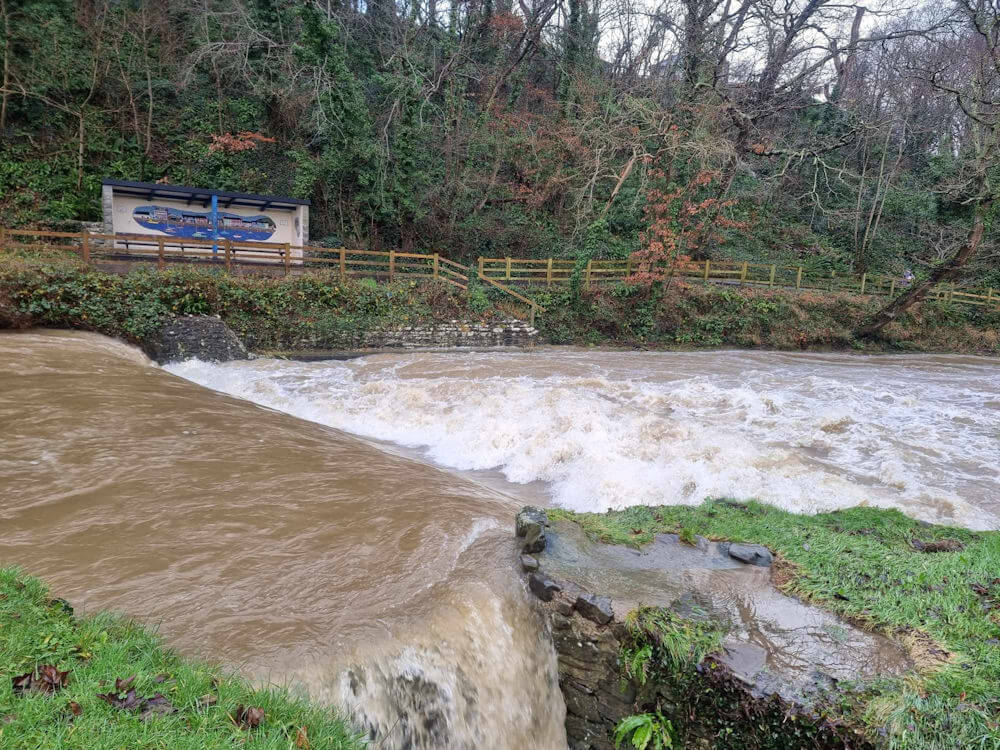
In January 2021, a report from Natural Resources Wales showed that the River Teifi SAC had failed in compliance with revised phosphorus targets for Welsh Riverine Special Areas of Conservation (SACs).
The Teifi has a range of rare biodiversity including floating water-plantain, a hybrid pondweed in its only Welsh location, slender river-moss etc. It is also important for salmon, bullhead, lampreys and Ranunculion habitat.
The Teifi SAC Nutrient Management Plan Board was established to identify and deliver actions to achieve the conservation targets of the Teifi Riverine SAC. The primary mechanism for achieving this would be through the delivery of the Nutrient Management Plan.
You can read the Cabinet Report on the Nutrient Management Plan Board.
Phosphate Reduction and Mitigation Project
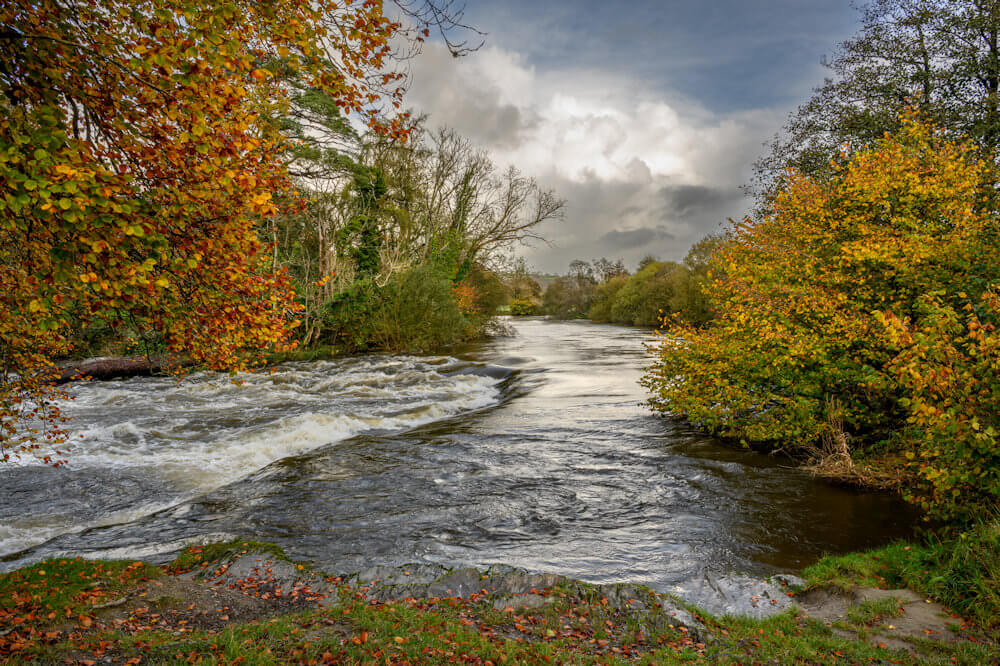
Ceredigion County Council working with the West Wales River Trust has created the Afon Teifi SAC Catchment Phosphate Reduction and Mitigation Project (PRAM) with the aim of directly improving the condition of the Teifi river through reducing Phosphate inputs, improving water quality and reversing decline in nature. It is funded by the Nature Networks Programme which is being delivered by the National Lottery Heritage Fund, on behalf of the Welsh Government.
So far, the project has created:
- Over 9km of riparian fencing along the most severely livestock damaged areas of the Teifi
- Sixteen Farm Management Plans to reduce nutrient run off
- Eight on-farm capital works to implement identified measures
- Septic tank management awareness raising
- Three schemes for nature-based solutions to nutrient management scoped and designed wetlands and wet woodlands
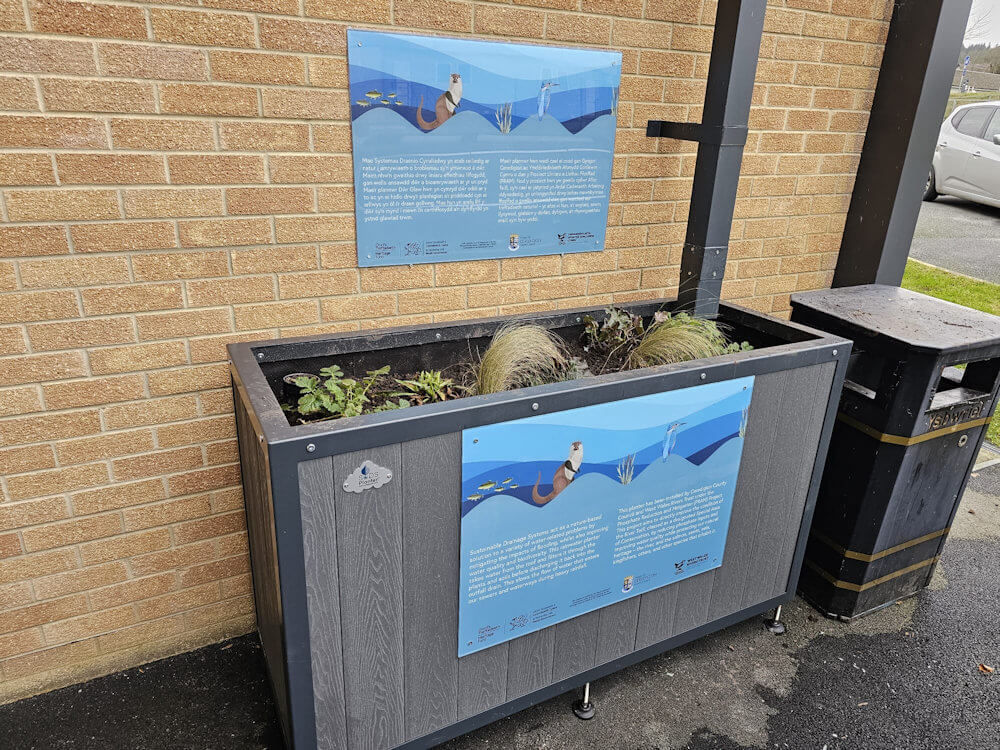
- Installation of SuDS rainwater planters
Sustainable drainage systems (SuDS)
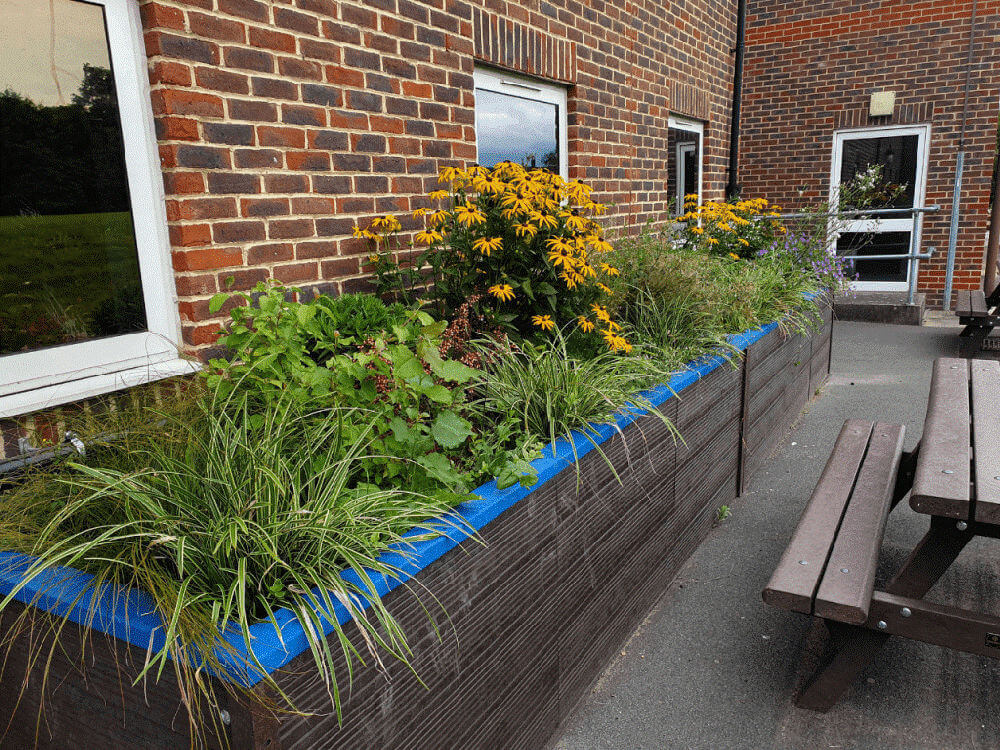
Sustainable drainage systems (SuDS) are drainage solutions that mimic natural drainage processes to provide an alternative to the direct channelling of surface water through networks of pipes and sewers to nearby watercourses.
Biodiversity Benefits of SuDS
- Reduce surface water flooding
- Improve water quality and enhance the amenity and biodiversity value of the environment
- Help to deliver local biodiversity objectives
- Provide and enhance habitats for flora and fauna
- Reduce flow of water going to waste water treatment facilities
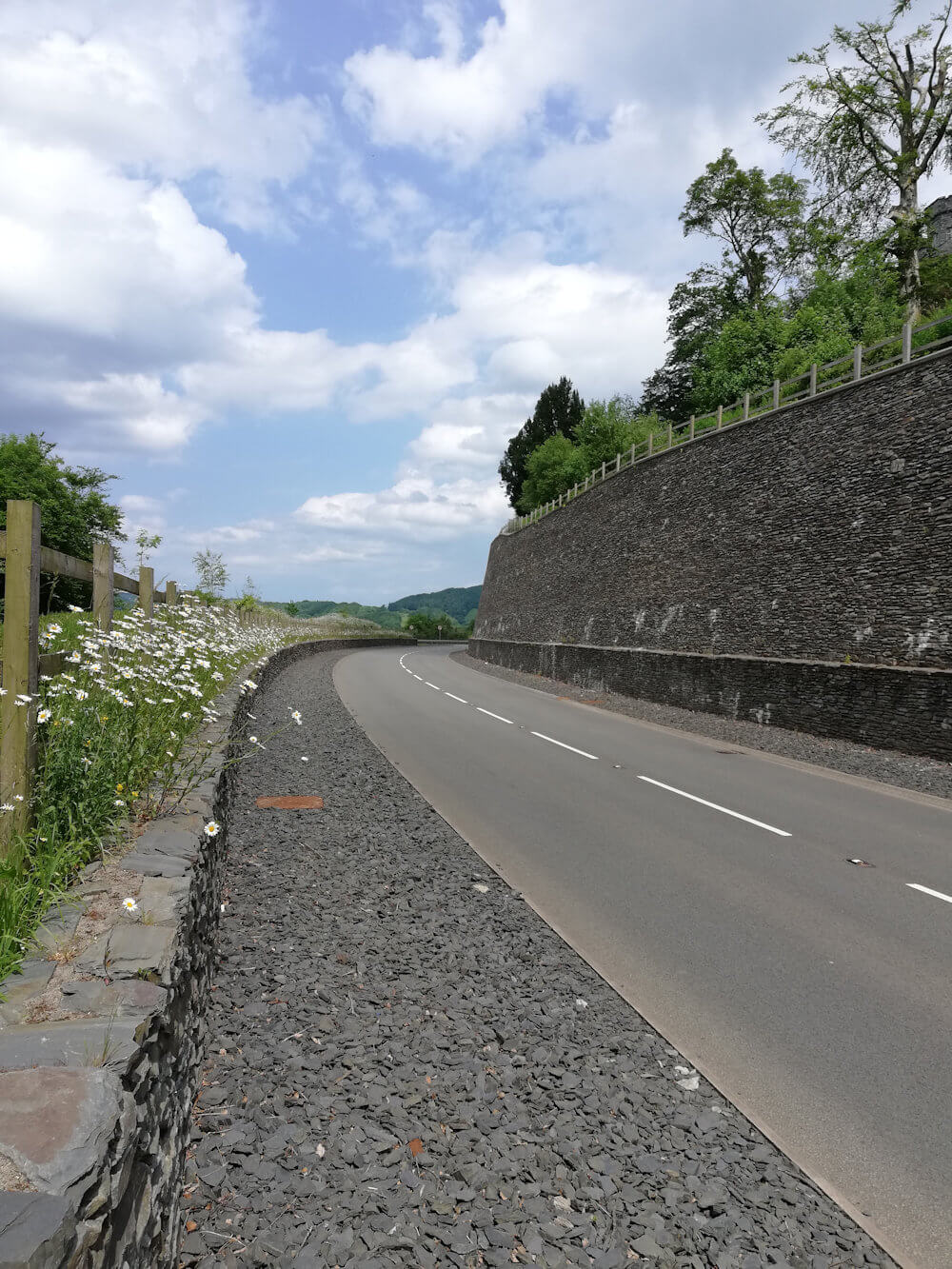
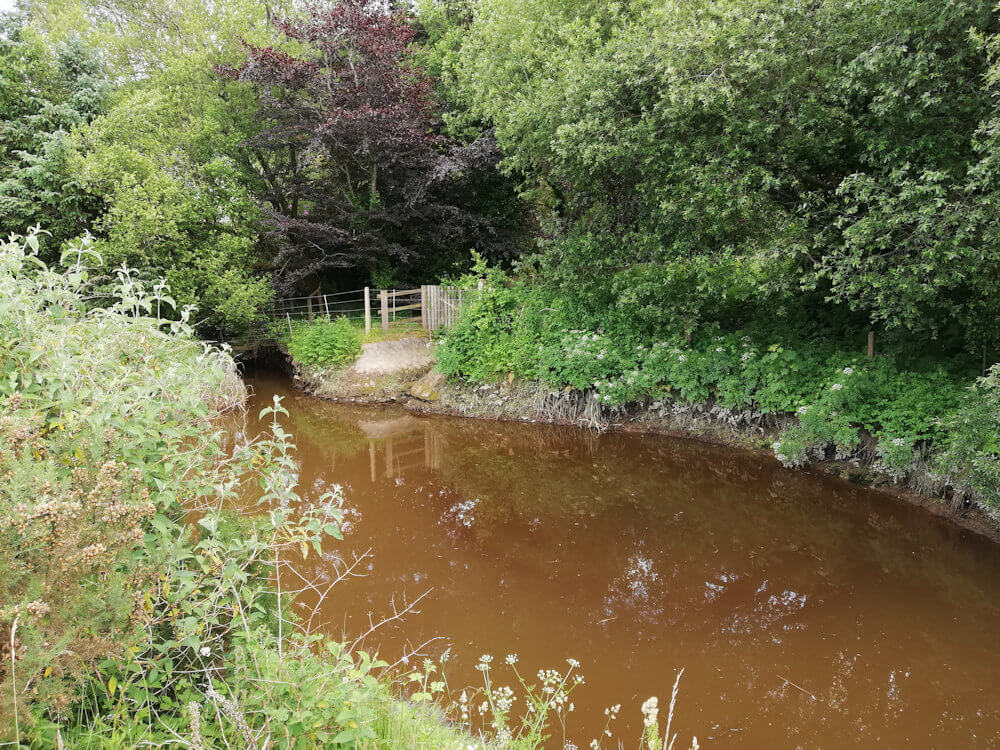
All SuDS designed by developers must be approved by the Ceredigion County Council Sustainable Drainage Approval Body before construction begins.
Welsh Water Drainage and Waste Water Management Plan 2024
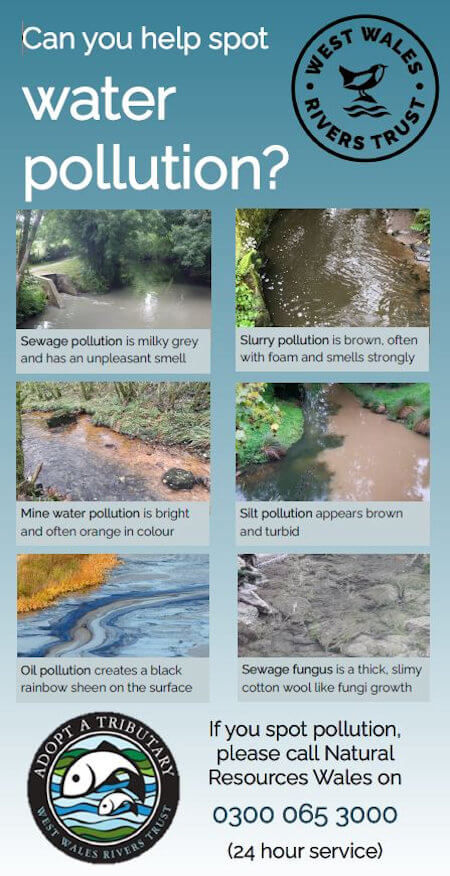
Water Pollution
It’s important to protect our fresh water sites from contamination:
- Industrial - Chemical leakage from an industrial plant or facility
- Toxic materials – From mines and factories leaking oil and heavy metals
- Organic pollutants - Algae blooms, animal waste, plant residue and soil erosion
- Inorganic pollutants – Farm and factory waste, vehicles
- Pesticides – Used on crops which seep into the water
- Leaking Pipes – Can caused water and soil contamination
To report pollution or environmental issues on all watercourses. Call the Natural Resources Wales incident line on 0300 065 3000 or report online.
 River Biosecurity
It is the responsibility of everyone using a watercourse or body of water to ensure that they are not spreading disease or Non-Native Invasive Species. There is advice available on the Non-Native Invasive Species Check Clean Dry page to ensure that you are doing everything you can to stop the spread.