

Trees, Hedgerows and Woodlands
Tree Preservation Orders
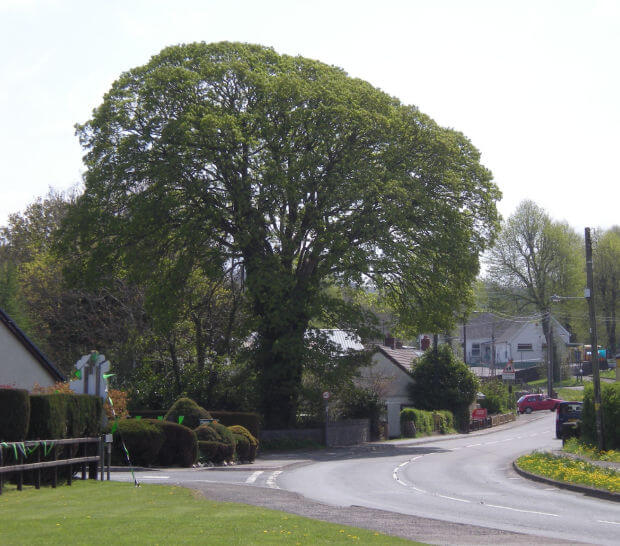
Many trees and woodlands in Ceredigion are protected by Tree Preservation Orders. These are trees that have been identified as having a high amenity value.
The main effect of a TPO is to prevent the cutting down, uprooting, topping, lopping, wilful damage or destruction of trees without first obtaining the permission of the local authority.
In addition, trees in Conservation Areas are also protected and the local authority must be given six weeks’ notice before carrying out works. This period gives the Council an opportunity to consider placing a TPO on the affected tree or trees before the work commences.
In making new TPOs, the Council takes account of the following factors:
- the removal of tree would have a significant adverse impact on the environment and its enjoyment of the public
- the tree are visible from a public place
- the trees have an intrinsic beauty for their contribution to the landscape
- after amenity value has been established, that the trees have nature conservation value or have cultural associations
- the trees screen future development
All woodlands and trees including those alongside roads and in open countryside are protected by felling licence regulations administered by Natural Resources Wales.
How do I make a request for a TPO?
Without members of the public asking for them, TPO’s would not exist.
You do not have to be the owner of the tree to request a TPO, anyone can do this. The application form and guidance notes are available in the links box below.
Please include a map or sketch plan to show the location of the trees and giving reasons why you think the trees should be protected. On receipt of this information, the Council will then carry out an amenity assessment of the trees to help determine if the trees merit a Tree Preservation Order. The applicant will be informed of progress at this stage and any decision to make a TPO.
Is there a TPO in place?
You can check if there is a TPO in place or it’s status by checking the online interactive map or by emailing biodiversity@ceredigion.co.uk.
Can I work on a tree with a TPO?
A TPO does not mean that work cannot be carried out on a protected tree. It means that it is an offence to uproot, prune, cut down, damage or destroy the tree or trees in question without first seeking permission from the local authority. An application form and guidance leaflet are available in the links box below.
- Amenity Assessment and the making of TPOs (link to doc)
- Woodland Trust free Tree ID app
- Trees in Conservation areas information
- Welsh Government Protected Trees document
- Natural Resources Wales Apply for a felling licence
- European Protected Species Checklist
- Choosing an Arborist (Tree Surgeon)
- Planning and Ecology
- Tree Works Application Form for TPOs and trees in Conservation areas
- Tree Works Application Guidance for TPOs and trees in Conservation areas
Tree Preservation Order Interactive Map
Insert Map here...
Key Information
Disclaimer:
Ceredigion County Council makes every effort to ensure that all of the information displayed on its online mapping service is accurate and up-to-date. However, please note that changes including felling and replanting may have occurred since this time.
The data is intended to be illustrative in nature, and therefore does not constitute a legal record. Furthermore, we cannot accept responsibility for any loss or inconvenience caused by reliance on inaccurate material contained in this site alone.
Copyright Details
Please note that you are not permitted to copy, otherwise reproduce or download this data other than to make for personal use only.
Trees, Birds and Bats
Protected Species Legislation
Birds
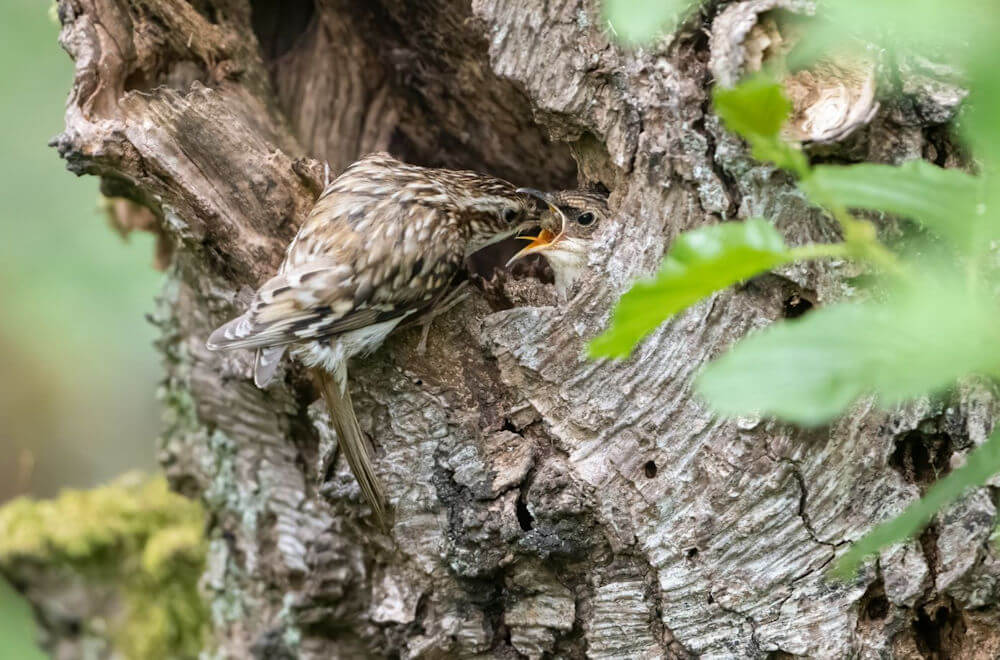
Nesting birds and their eggs, chicks and nests are legally protected. Birds nesting are protected whatever the time of year. Undertake tree felling and pruning work outside the bird nesting season (1st March to 31st August) wherever possible. Many species of birds do start nesting in February or even January, and may be having an extra brood in August-September.
The Wildlife and Countryside Act protects various species and nesting birds against disturbance, injury and death. This makes it the responsibility of the individual to ensure that they don't break the law.
The police can only get involved after a crime has been committed and will require evidence that there were birds nesting and that they have been disturbed.
Bats
All bat species are protected by law.
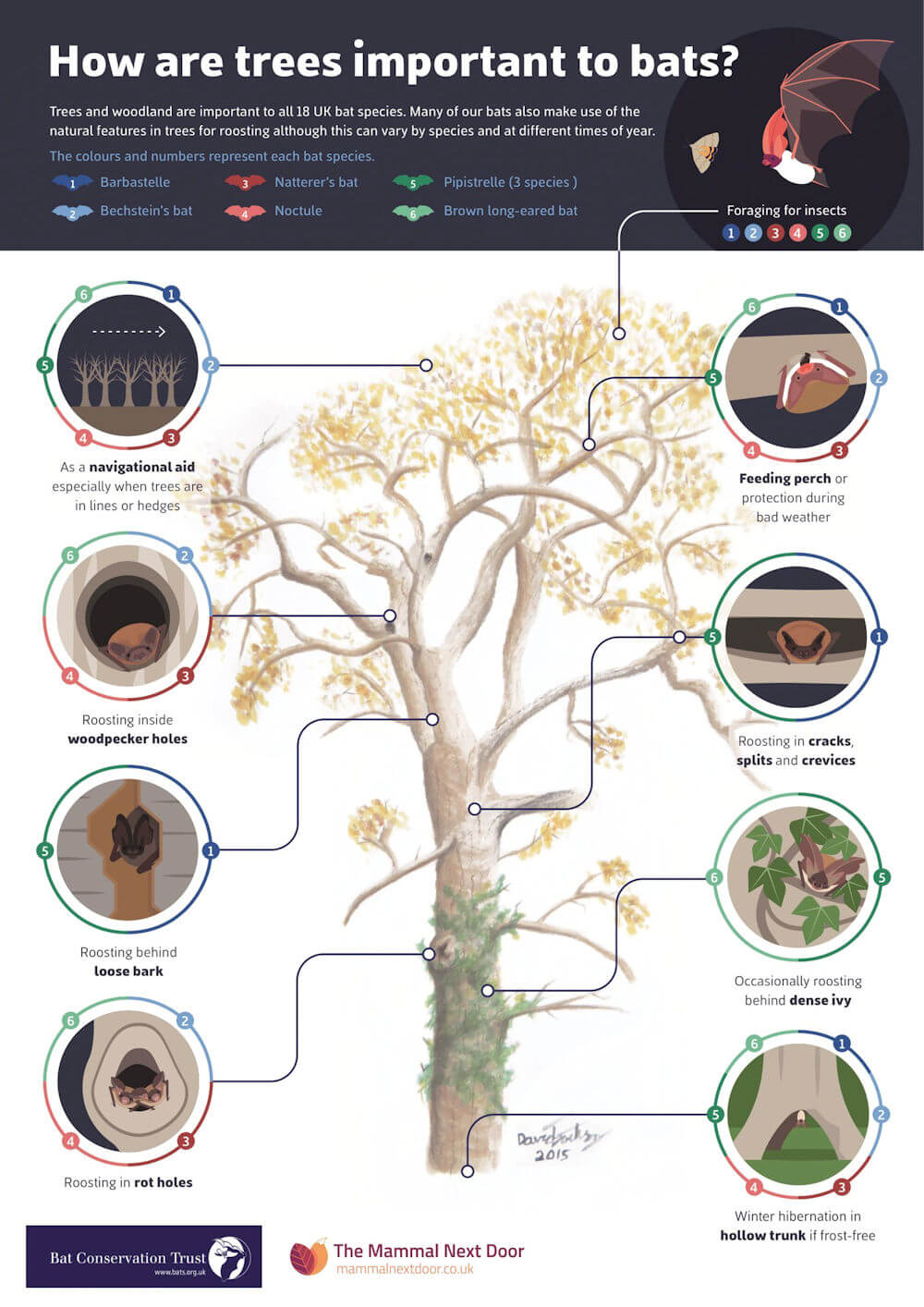
Before felling any mature trees, these should be checked for potential to support roosting bats. Bat roosts are protected even when not occupied.
Around three quarters of British bat species are known to roost in trees. Due to the loss of roosts, foraging habitat and a substantial decrease in the insect population numbers have significantly declined over the last few decades.
Before felling any mature trees, these should be checked for potential to support roosting bats. You will require a license from Natural Resources Wales to destroy a resting place or breeding site of any species of bat.
You will require a licence from Natural Resources Wales to destroy a resting place or breeding site of any species of bat.
Trees, Hedgerows and Woodland
Hedgerows
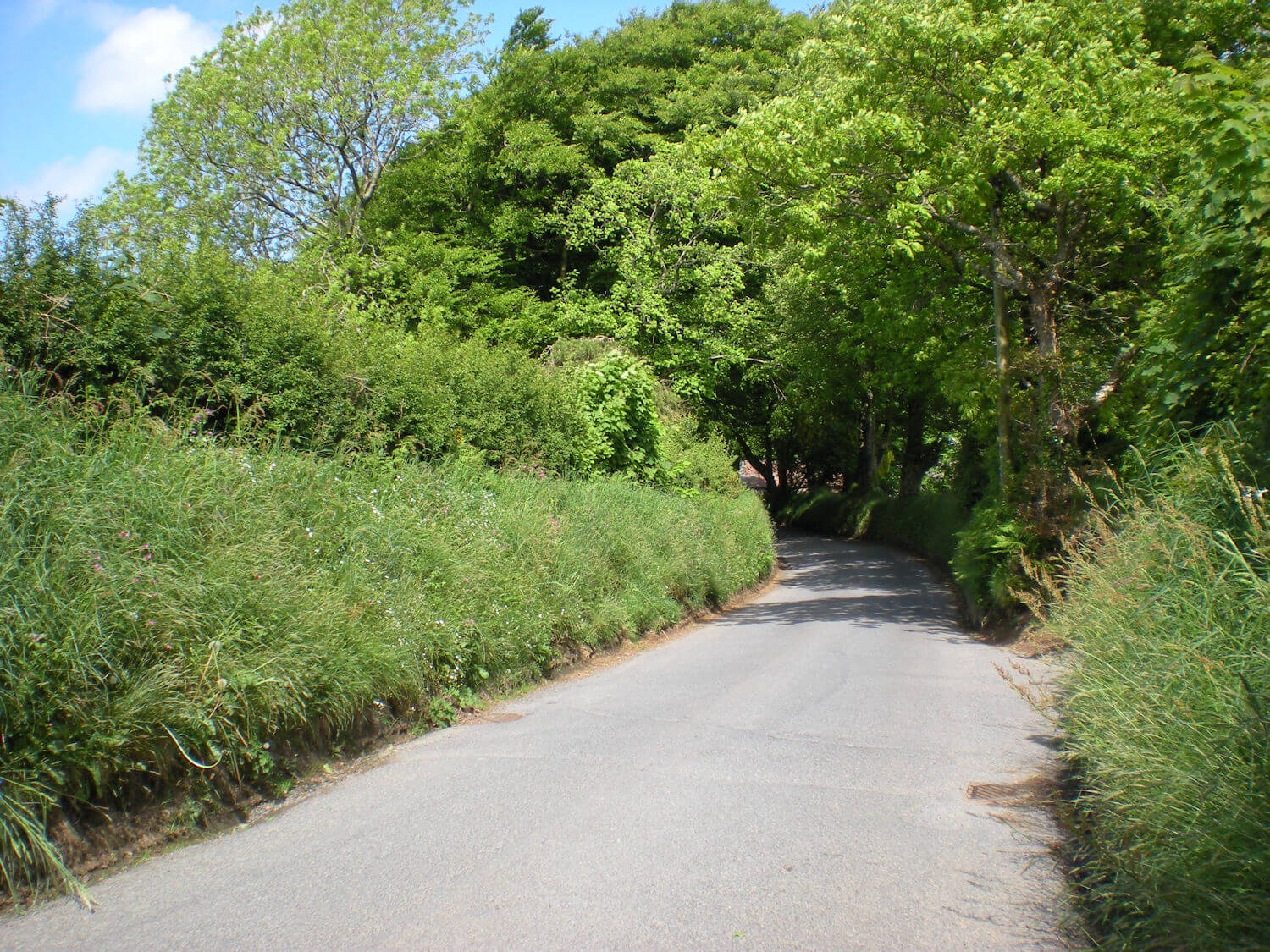
Hedgerows and hedgebanks - many of them ancient in origin - are a distinctive feature of the Ceredigion countryside and a haven for wildlife.
Hedgerows offer many benefits to farmers by providing shelter for livestock.
Because of concerns about the loss of hedgerows, in 1997 regulations were introduced to control the removal of hedgerows. This system of control is administered by local authorities.
It is an offense under the Wildlife and Countryside Act 1981 to disturb nesting birds, wherever and whenever they are, this is more likely between March and August, however some birds start nesting earlier and some continue to nest into the Autumn and Winter, and with changes in the climate, this is increasingly likely.
It is not against the law to cut hedges during the summer, but you must be sure that no nesting birds are disturbed. It is an offense to disturb nesting birds by cutting hedges at any time, location by any means.
Farmers
The Glastir Plan includes rules not to cut hedges between March and August. This is a rule for the farmers who are part of the scheme, but not for anyone else.
Welsh Government Common Agriculture Policy
The effect of hedge cutting machines on badger sets must also be considered.
Hedgerwos Interactive Map
Insert map here...
Disclaimer
Ceredigion County Council makes every effort to ensure that all of the information displayed on its online mapping service is accurate and up-to-date. However, please note that changes including felling and replanting may have occurred since this time.
The data is intended to be illustrative in nature, and therefore does not constitute a legal record. Furthermore, we cannot accept responsibility for any loss or inconvenience caused by reliance on inaccurate material contained in this site alone.
Copyright Details
Please note that you are not permitted to copy, otherwise reproduce or download this data other than to make for personal use only.